WELCOME TO
The Project Management Unit Balochistan Education Support Program School Education Department (PMU-BESP)Quality, Access & Equity for Children!
PMU's journey since 2012
"Promoting Access to Quality Education in Balochistan"
GRADES-B: Getting Results: Access And Delivery Of Quality Education Services in Balochistan
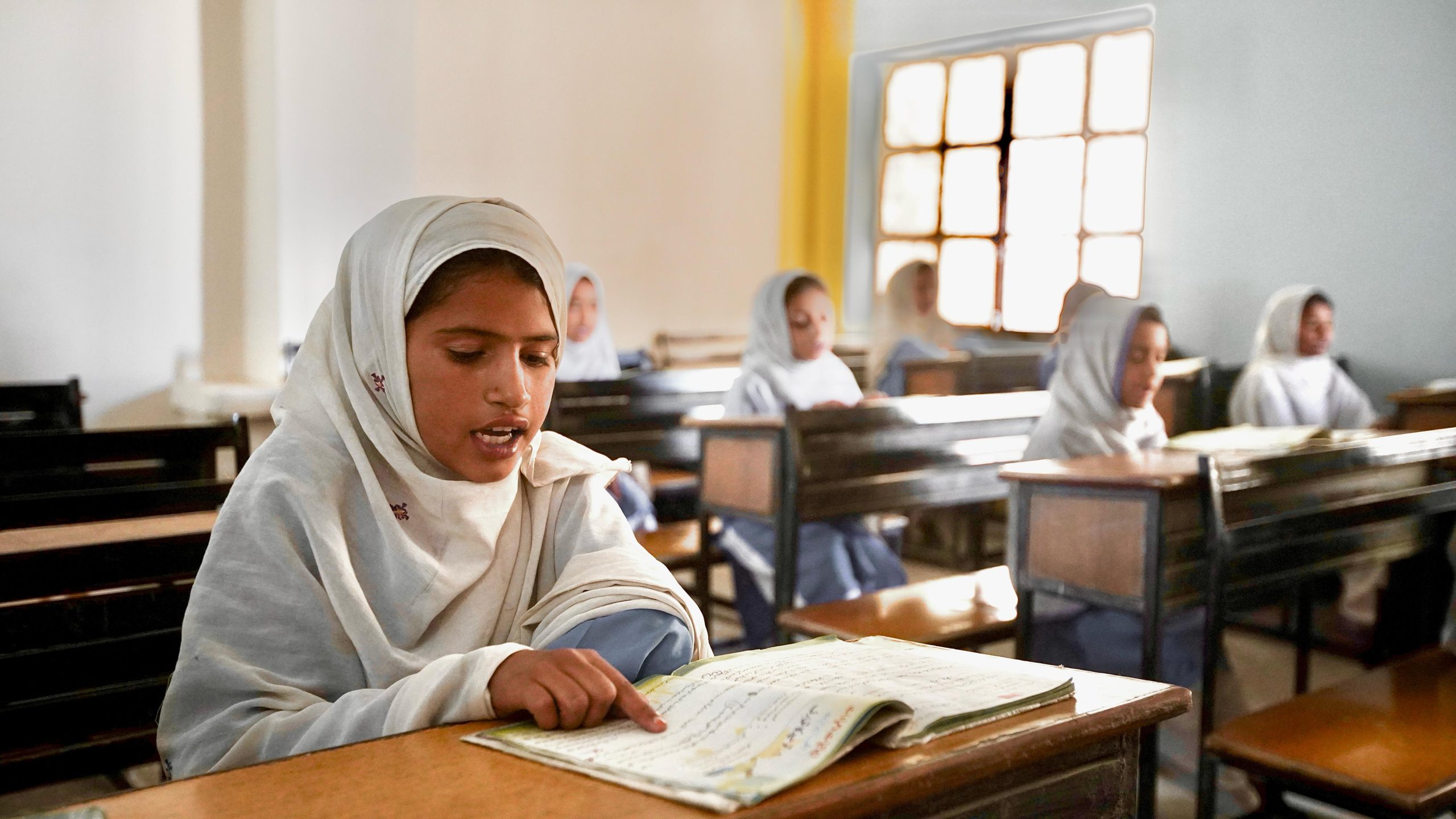
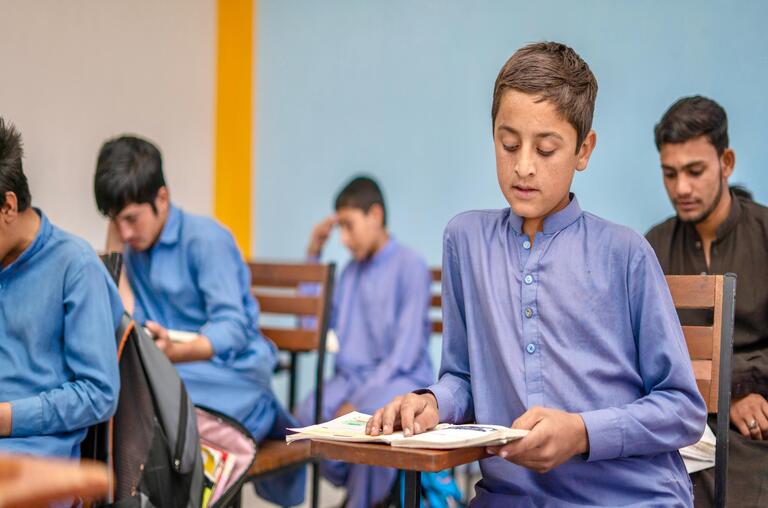
The project aims to increase enrollment rates for both boys and girls in pre-primary and primary education while improving foundational literacy and numeracy skills. It is designed to benefit approximately 250,000 students through a range of strategic interventions, including the construction of climate-smart classrooms, provision of safe transport facilities for girls, implementation of double-shift schooling arrangements, and establishment of Public-Private Partnerships (PPPs) to expand access and improve service delivery. In addition, the project places strong emphasis on teacher development by focusing on professional training, capacity building, and improved recruitment practices to enhance the overall quality of education and learning outcomes.
STEP B – System Transformation in Early Education Project – Balochistan
STEP-B focuses on strengthening early childhood and primary education systems in Balochistan by improving foundational learning outcomes for young children. The initiative supports access to quality Early Childhood Education (ECE), enhanced teaching practices, and improved service delivery mechanisms. It is designed to benefit a large number of students through interventions such as ECE classroom development, teacher training, provision of learning materials, and promotion of child-centered learning. The project also emphasizes system strengthening, community engagement, and the integration of inclusive, gender-responsive, and climate-resilient approaches.
ASPIRE – Actions to Strengthen Performance for Inclusive and Responsive Education
ASPIRE is a nationwide education reform initiative led by the Ministry of Federal Education and Professional Training with support from the World Bank, aimed at improving equity, access, and quality of education—especially in lagging districts. The project adopts a Program-for-Results (PforR) approach and is being implemented across 50 underdeveloped districts, including several in Balochistan.
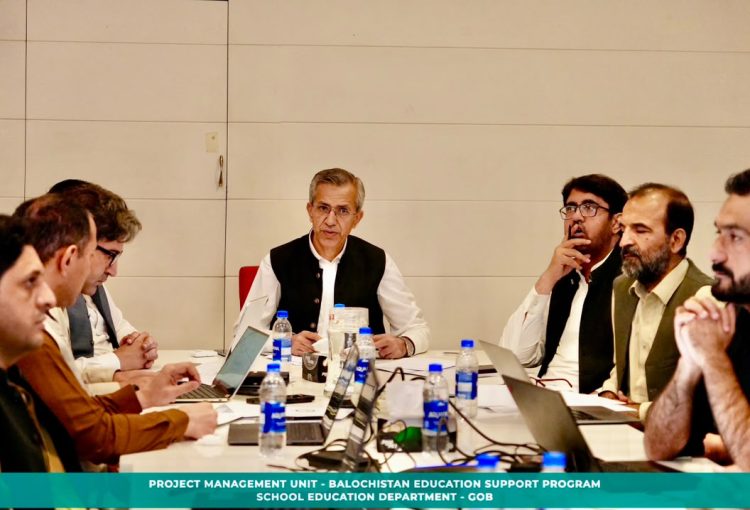
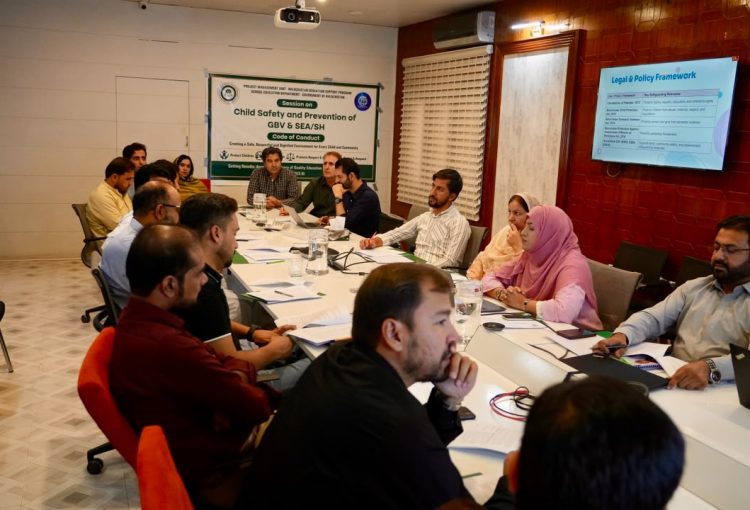
Project Management Unit- Balochistan Education Support Program (PMU-BESP), School Education Department, Government of Balochistan, organized a one-day training session on